Best Beaches in Gran Canaria
Golden Sand, Black Volcanic Beaches and Hidden Bays
Gran Canaria's coast ranges from wide golden beaches in the south to black volcanic coves in the north and west. This guide compares Maspalomas, Las Canteras and Amadores, plus quieter bays, and helps you pick the right beach for swimming, surfing or a relaxed family day.
Beaches Map Gran Canaria
Gran Canaria's beaches are one of the main reasons people visit the island, but they could hardly be more different from one another. In the south, wide, sunny sandy beaches stretch along the coast, with sun loungers, parasols, restaurants and water sports on offer. Las Canteras combines beach life with the everyday buzz of a Spanish city. In the north and west, dark volcanic sand, pebbles, rocks and a much wilder coastline shape the scenery instead. The right beach for you depends on what you are looking for: some visitors want calm water and full facilities, others want long walks, surf waves or a quiet, secluded bay. This guide gives you a realistic overview of the island's coastal regions, beach types and best-known spots.
Choosing the Right Beach for You
The question "which is the best beach?" usually says more about the visitor than about the island. If you want dramatic scenery and long beach walks, you will probably end up between Playa del Inglés, the Maspalomas dunes and the lighthouse (Faro). For city beach life, Las Canteras is hard to beat: a swim in the morning, fresh fish for lunch, and an evening on the promenade, all without a hire car. Playa de Amadores, on the other hand, is known for calm water, light sand, easy access and comfortable facilities.
Gran Canaria is not just these three well-known spots. Families often prefer sheltered bays such as Puerto Rico, Anfi del Mar or Puerto de Mogán. Surfers pay more attention to wind, current and swell than to parasols. Nature lovers head for remote beaches like Güigüí, Guayedra or El Confital, which usually have no restaurants, no lifeguards and no easy road access, but offer a much more untouched volcanic coastline. This mix of holiday beach, city beach and wild Atlantic coast is what makes the island stand out internationally.
Gran Canaria's Beaches in an International Context
Gran Canaria is not a classic beach island with one continuous stretch of white sand. Compared with other destinations, its strength lies in the unusual variety packed into a small area: large tourist sandy beaches, sheltered artificial bays, city beaches, black volcanic beaches, pebble shores, rocky coves and natural sea pools all exist side by side.
If you compare Gran Canaria with the long pale beaches of Fuerteventura or the flat bays of the Mediterranean, do not expect a uniform coastline here. Many beaches are smaller, darker and more shaped by the open Atlantic. In return, they often offer more striking scenery, more varied conditions and very different atmospheres from one beach to the next.
The developed beaches in the south and south-west reach a high international standard for facilities, access and services. Restaurants, promenades, public transport, parking, sun-lounger hire and lifeguard cover are widely available there. Remote natural beaches can be more spectacular, but they need more preparation and are not automatically safe places to swim.
The Three Most Famous Beaches
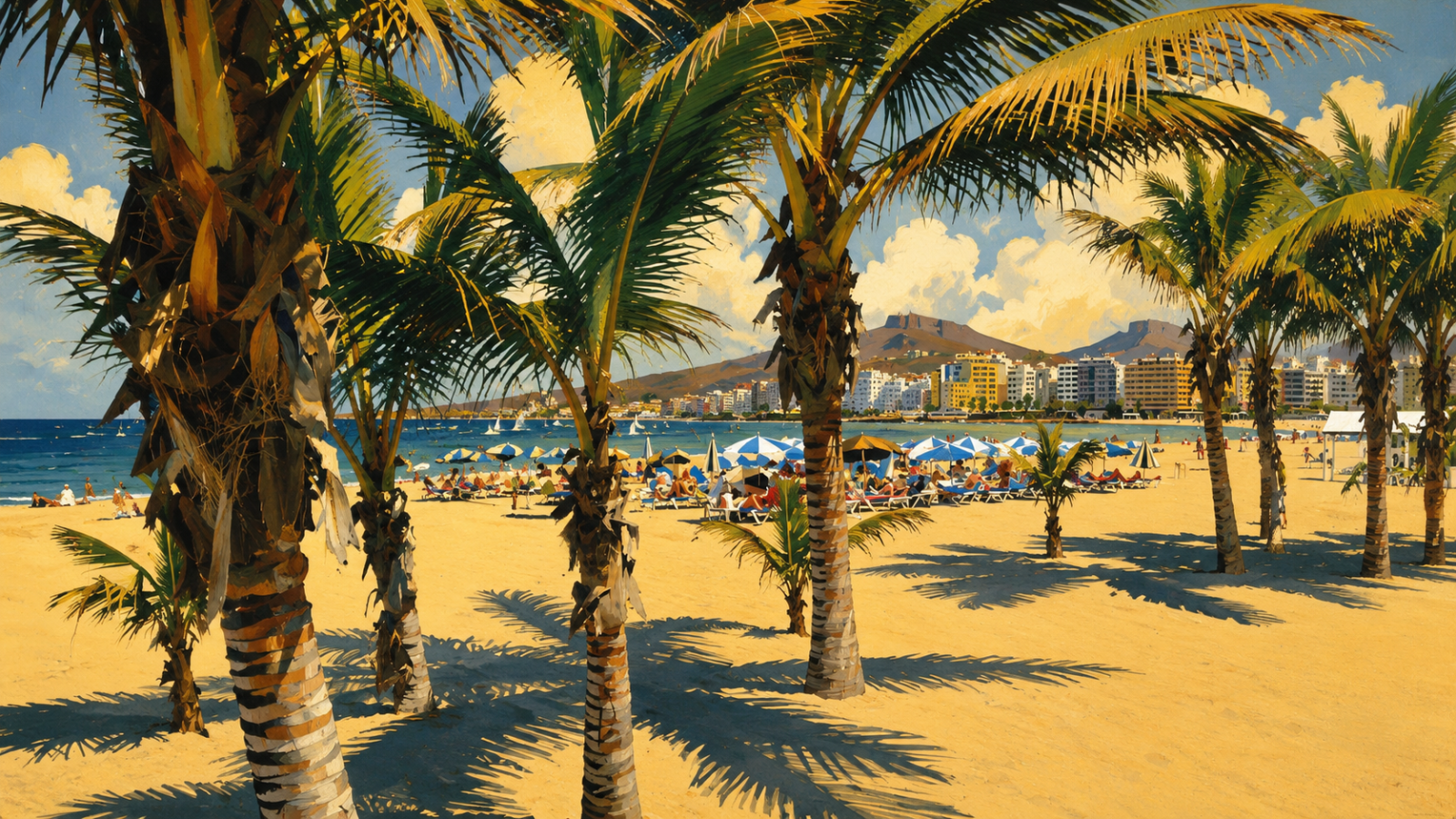
The Maspalomas dune beach, together with Playa del Inglés, forms the best-known stretch of coast on Gran Canaria. Its biggest strength is not just the golden sand, but the combination of a wide Atlantic beach, a protected dune landscape and tourist infrastructure. The beach runs between Playa del Inglés and the Maspalomas lighthouse. Some sections are busy and well equipped, while others feel surprisingly open despite the high number of visitors. Because of the long walks through sand and dunes, bring enough water and sun protection.
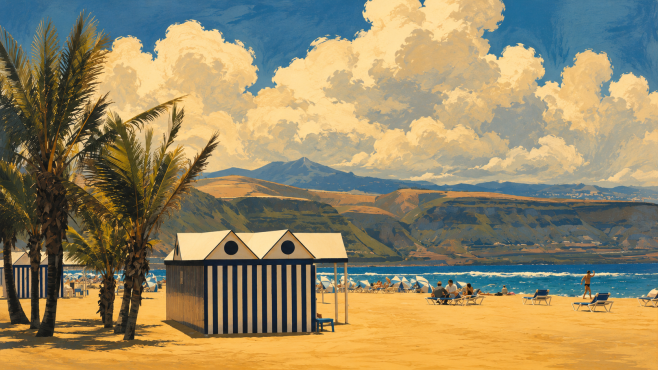
Las Canteras lies in the heart of Las Palmas de Gran Canaria and is one of Spain's most distinctive city beaches. Stretching for several kilometres, it is part of daily life in the capital. Restaurants, cafés, shops, places to stay and public facilities line the promenade. Thanks to the natural offshore reef, La Barra, large sections are relatively well protected from strong swell. At the southern end, around La Cícer, conditions are better for surfing. Las Canteras brings together swimming, sport, dining and city life like almost no other beach in the Canary Islands.
Playa de Amadores is an artificially created beach with light sand and sheltered, mostly calm water. Two breakwaters form a wide bay that is especially popular with families and less confident swimmers. Restaurants, shops, parasols, sun loungers and step-free access are all right on the beach. The setting is comfortable and well kept, though it feels more built up than a natural stretch of coast. It can get busy at weekends and during holiday periods.
Sand Colour and Ground
Not every beach on Gran Canaria has sand. The island's volcanic origins are clearest along the north and west coasts, where many beaches are made of black sand, coarse gravel, stones or flat rock. Water shoes are often a good idea in these spots.
Light or golden sand is mainly found on the large beaches in the south and at man-made bays such as Amadores, Puerto de Mogán or Anfi del Mar. Black sand and dark pebble beaches, by contrast, are part of the island's natural character and should not be seen as a sign of lower quality. They do absorb more heat from the sun, though, and can become uncomfortably hot on warm days.
Water Quality and Safety
Gran Canaria's monitored bathing waters generally reach a high hygiene standard, and the relevant health authorities check water and beach conditions regularly. Good water quality alone, however, says little about how safe it is to actually swim there.
Gran Canaria sits in the open Atlantic. Waves, wind, currents and undertows can vary considerably from one stretch of coast to another. A beach with clean, hygienically sound water can still be dangerous in rough seas. Always check the beach flags: red means no swimming, yellow calls for extra caution, and green marks comparatively favourable conditions.
Sheltered beaches such as Amadores, Anfi del Mar or Puerto Rico usually have calmer water. At open natural beaches, and along parts of the north and west coasts, surf and currents can be much stronger. Where there are no lifeguards or flags, extra caution is essential.
Getting There and Parking
The best-known beaches are easy to reach by public bus, taxi or hire car. Las Canteras can be reached comfortably on foot or by city bus within Las Palmas. Maspalomas, Playa del Inglés, Amadores and Puerto Rico are all well connected to the regional bus network.
Parking, though, is not always plentiful at popular beaches. At weekends, on public holidays and during the summer school break, local residents join holidaymakers on the coast in large numbers. If you are driving, arrive early or plan for a car park.
Remote natural beaches are more demanding to reach. Some are accessible only by unpaved tracks, longer walks or by boat. Reaching Güigüí, for example, is part of the experience, but it is not a spontaneous stroll in flip-flops. At other wild coves, heat, lack of shade and a tiring walk back can become the deciding factor.
Restaurants and Facilities
Facilities vary a great deal from beach to beach. Thanks to its city-centre location, Las Canteras has the widest choice of places to eat. Between La Puntilla and La Cícer, you will find Canarian restaurants, fish restaurants, cafés, ice-cream parlours and international food.
Amadores, Puerto Rico, Anfi del Mar and Puerto de Mogán also have plenty of restaurants and shops nearby, and sun loungers and parasols can often be hired. Toilets, showers, lifeguard services and step-free access are available, at least seasonally or in parts, at the larger tourist beaches.
Natural beaches, on the other hand, often have no facilities at all. You need to bring your own drinking water, food, sun protection and rubbish bags. A romantically quiet spot in practice also means no café, no lifeguard, and sometimes no mobile signal either.
Sports and Activities
Gran Canaria's beaches are not just for sunbathing. Las Canteras offers swimming, snorkelling, beach volleyball, kayaking, stand-up paddleboarding, and, at the La Cícer end, good surfing conditions. Playa del Inglés, Puerto Rico, Taurito and Anfi del Mar also offer various water sports.
The windier east coast is popular for windsurfing and other wind-based sports. Divers and snorkellers tend to prefer rocky coves with varied underwater scenery, such as El Cabrón or Sardina del Norte.
Not every calm family beach allows every activity. In protected swimming zones, ball games, motorised water sports or certain other activities may be restricted. This improves calm and safety, but it does reduce the range of things to do directly in the water.
Atmosphere by Coastal Region
- The south, around Maspalomas and Playa del Inglés, is international, lively and strongly geared towards tourism. The beaches are large, facilities are extensive, and hotels, restaurants and the coast are all close together. Do not expect complete peace and quiet here.
- The south-west, around Puerto Rico, Amadores, Anfi del Mar and Puerto de Mogán, offers sheltered bays, plenty of sun and comfortable facilities. The mood is relaxed and family-friendly, though it can feel more built up in places.
- Las Palmas combines a beach holiday with city life. Las Canteras is neither a pure holiday backdrop nor a closed hotel zone, but a living room, sports ground and meeting place for the city's residents. This authentic mix is its main appeal.
- The north coast feels more traditionally Canarian and less touristy. Beaches such as Sardina del Norte, El Puertillo and the coast near Agaete are closely tied to local towns. Dark sand, rocks and stronger surf are typical of the scenery here.
- The west is the wildest part of the island. Steep mountains, deep ravines and remote bays create dramatic scenery, though comfort and easy access take a back seat.
Crowds and Quiet Beaches
Busy beaches are not unusual on Gran Canaria, especially on sunny weekends, public holidays, during Spanish school holidays, and at easily accessible family beaches. Amadores, Anfi del Mar, Puerto Rico and parts of Las Canteras can get very crowded at these times.
Maspalomas and Playa del Inglés spread visitors out better thanks to their size, though even there the access points, lounger areas and beachfront zones fill up fastest. If you prefer more peace, arrive early in the morning, choose a weekday, or move a little away from the main entrances.
Quiet beaches are mainly found on the west coast, in remote bays and at less comfortable pebble or stone beaches. The price for peace and quiet is usually a longer journey, harder access and no facilities. A completely empty beach is also not automatically safer or cleaner.
Which Beach Suits You
For a first visit to Gran Canaria, Maspalomas is the best choice if scenery, a long sandy beach and tourist facilities all matter to you. Las Canteras suits visitors who want to swim, eat well and experience a lively city, all without a hire car.
Amadores, Puerto Rico and Anfi del Mar work particularly well for families, older travellers, and anyone who prefers calm water and short distances. Playa del Inglés offers plenty of space, entertainment and an international holiday atmosphere. San Agustín is usually a little quieter.
Surfers often find good conditions at La Cícer, El Confital and along the north coast, but need experience and up-to-date information on waves and currents. Nature lovers can enjoy particularly striking scenery at Güigüí, Guayedra or smaller coves, but should plan the journey, weather, water supply and return route carefully.
The best beach on Gran Canaria is therefore not necessarily the most famous one. What matters is whether a beach matches your expectations, your mobility, your swimming experience and the kind of holiday atmosphere you want.
Getting There / Transport Connections
Most of Gran Canaria's main beaches are reachable by public bus (Guaguas Global), taxi or hire car from Las Palmas and the airport. Las Canteras is within walking distance of the city centre and served by city buses. Taxi ranks and hire car desks are available at the airport. For visitors arriving by cruise ship, several southern beaches are a longer transfer from the port of Las Palmas, so private transfers or a hire car are usually more practical than public transport on a short port call.
Nearby Attractions
| Attraction | What to expect |
|---|---|
| Top Sightseeing Spots in Las Palmas | The old town, museums and city landmarks, a short trip from Las Canteras. |
| Gran Canaria Viewpoints | Coastal and mountain miradores overlooking the island's beaches and cliffs. |
| Natural Monuments of Gran Canaria | Volcanic landscapes and ravines behind the island's black-sand coastline. |
| Gran Canaria Places to Visit | Inland villages and quieter spots to combine with a beach day. |
| Gran Canaria Beach Weather | Today's conditions before you head to the coast. |
Frequently Asked Questions About Gran Canaria's Beaches
Which is the best beach in Gran Canaria?
There is no single best beach, as it depends on what you want. Maspalomas suits visitors who want dramatic dunes and a long sandy beach. Las Canteras suits those who want to swim and enjoy city life without a hire car. Amadores suits families who prefer calm, sheltered water.
Are the beaches in Gran Canaria sandy or rocky?
Both. The south has wide golden-sand beaches, while the north and west have black volcanic sand, pebbles and rocky coves. Water shoes are useful at rocky or pebble beaches.
Is it safe to swim at all beaches in Gran Canaria?
Not always. Gran Canaria faces the open Atlantic, and currents can be strong at some beaches. Always check the beach flags: red means no swimming, yellow means caution, and green means conditions are comparatively safe.
Which beaches are best for families?
Sheltered bays such as Amadores, Puerto Rico and Anfi del Mar are popular with families, thanks to calmer water, sun loungers, restaurants and easy access.
Where can I find quiet beaches away from the crowds?
Quieter beaches are mainly found on the west coast and in remote natural bays such as Güigüí or Guayedra. These usually have no facilities, so bring water, food and sun protection.